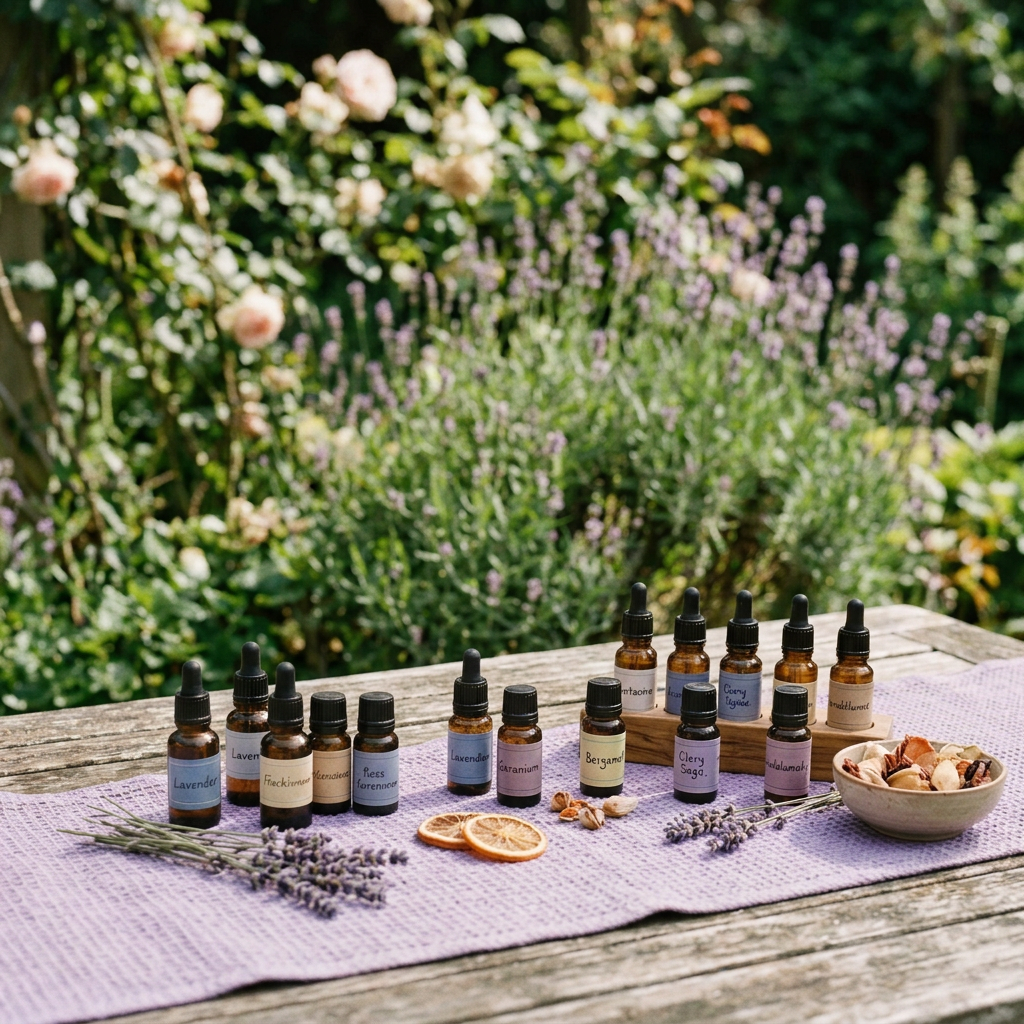
There’s something magical about walking into a home that smells fresh, cozy, and inviting. But for years, many of us reached for candles, scented plug‑ins, and sprays that promised “clean linen” or “ocean breeze” — only to discover they were filled with synthetic chemicals that can irritate skin, trigger headaches, or pollute indoor air.
When I began replacing those products with essential oils, I realized scenting my home could be both beautiful and healthy. Here’s what I’ve learned about creating a naturally fragrant space without toxins.
Why Choose Essential Oils?
Essential oils are concentrated plant extracts that carry the natural aroma and therapeutic properties of their source. Unlike synthetic fragrances, they don’t rely on artificial chemicals to mimic scent.
I use them for:
- Purifying the air naturally
- Supporting mood and relaxation
- Offering subtle, layered fragrance instead of overpowering perfume
If you’re new to this, start with the basics — understanding how oils are made and how they differ from fragrance oils. There are a lot of sites out there that offer good healthy advice.
I love essential oils because they’re a natural, nontoxic way to add a little comfort and ritual to everyday life, but it’s still important to know your oils and how your body responds to them. In my experience, many people do well with gentler oils like lavender** or **chamomile**, while others can react to popular options like **lavender**, **peppermint**, or **citrus oils** (especially lemon and orange). It’s always worth doing a simple patch test first—dilute a drop in a carrier oil, apply it to a small area of skin like your inner forearm, and wait 24 hours to see how you feel—or start with just a drop in a diffuser and notice any headaches, irritation, or discomfort. Everyone’s different, especially as our skin and sensitivities change over 50, so give yourself permission to experiment slowly and confidently until you find the oils that truly support you.
Ways I Use Essential Oils In My Home
1. Diffusers
I love using electric or reed diffusers disperse essential oils into the air. These are a few blends that I like:
- Lavender + Bergamot for calm evenings
- Lemon + Peppermint for morning energy
- Eucalyptus + Rosemary for a spa‑like freshness
Once again, find combinations of oils that you and your family will enjoy.
Here is one that I really like and have been using lately.
2. DIY Room Sprays
Mix 10–15 drops of essential oil with distilled water and a splash of witch hazel in a glass spray bottle. Shake before each use. Favorite combos:
- Orange + Clove for cozy warmth, great for the Fall!
- Geranium + Grapefruit for a bright, floral lift, nice combination that i use for the spring time.
These bottles work really well to make a small batch of a room spray. Be sure to purchase dark colored bottles. The reason for this is that sun will degrade essential oils, but if they are in dark colored bottles it protects the essential oil from the sun. Not advisable to leave any essential oil product in the direct sun.
3. Simmer Pots
I love to do this in the Fall and Winter. I add citrus peels, herbs, and a few drops of essential oil to a pot of water on low heat. It fills your home with gentle, natural fragrance.
You can use just a cooking pot for this, or splurge and use a small crockpot like this.
4. Aromatherapy Candles
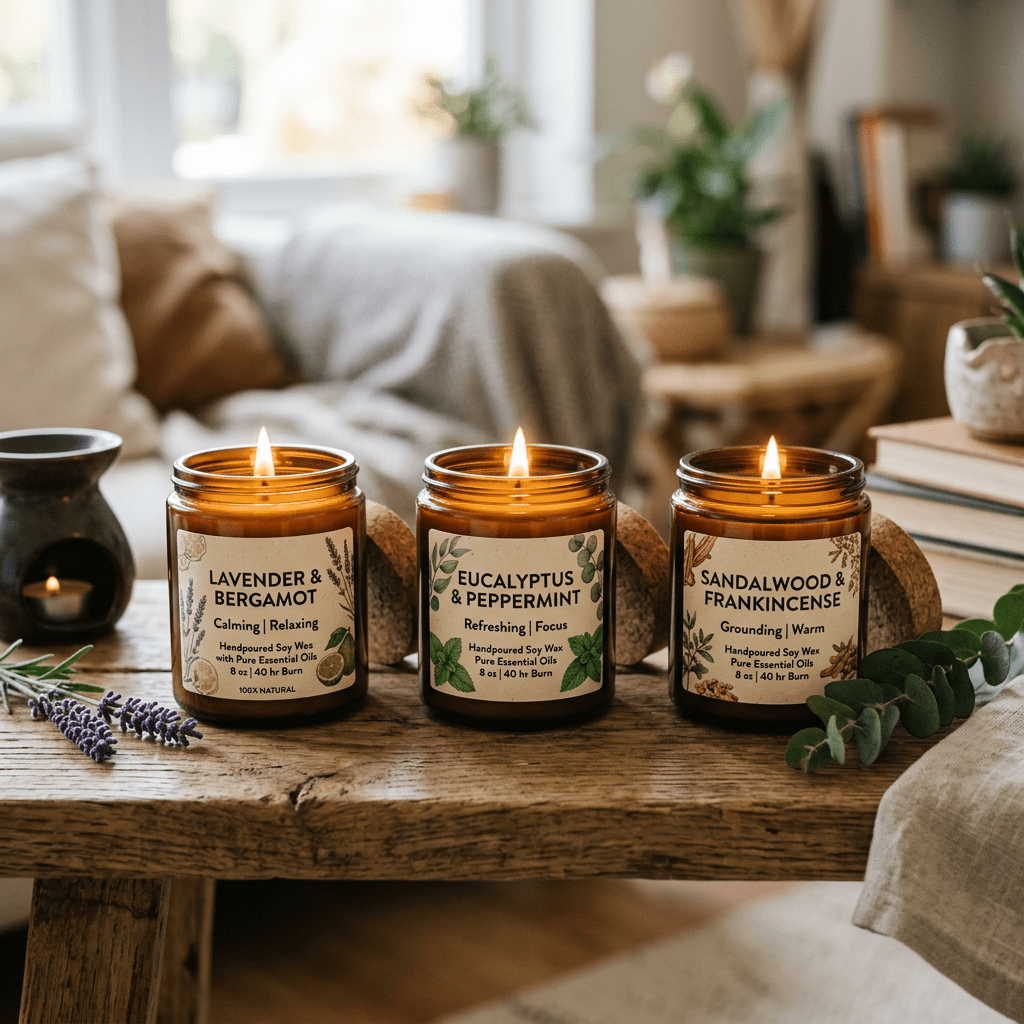
If you love candles, choose soy or beeswax varieties scented only with essential oils — not “fragrance oils.” I only use candles made with essential oils. At the moment I am not using candles, once I find several I like, I will be sure to post them.
Choosing Oils for Different Moods
| Mood | Essential Oils | Effect |
|---|---|---|
| Calm & Relaxed | Lavender, Chamomile, Frankincense, Vetiver | Soothing, grounding |
| Energized | Lemon, Peppermint, Grapefruit, orange | Refreshing, uplifting |
| Cozy & Warm | Cinnamon, Clove, Vanilla | Comforting, nostalgic |
| Clean & Fresh | Eucalyptus, Tea Tree, Lemongrass | Purifying, crisp |
Safety Tips
- Always dilute oils properly — they’re potent.
- Keep diffusers away from pets and children.
- Choose high‑quality, pure oils (look for “100% essential oil” on the label). I will most of the time use only organic oils. The ones I only use the organic version of are any of the citrus oils. The non-organic citrus is so heavily sprayed, that the oils will also be contaminated.
- Avoid synthetic “fragrance oils,” which often contain phthalates and other irritants.
Final Thoughts
Scenting your home with essential oils isn’t just about fragrance — it’s about creating a space that feels alive. Every drop carries the essence of nature: calming lavender fields, bright citrus groves, deep forests. I love to use essential oils for scent.
When you replace toxic products with natural scents, you’re not just changing how your home smells — you’re changing how it feels.
What oils do you use or would like to try? How long have you been using essential oils? Please let me know if the comments any thoughts or ideas you may have.


Leave a Reply